In 2026, elevator safety is not a single certificate on a wall. It depends on the elevator’s design, installation, maintenance, and location. What safety standards must elevators comply with? The answer varies by country, state, and city. Common references include ASME A17.1/CSA B44 in North America and the EN 81 series in many other markets. Local authorities may adopt specific editions or add requirements. Check the rules that apply where the elevator operates.
John W. Koshak, an elevator safety consultant, is a useful expert voice on field-based safety. A careful paraphrase of his practical perspective is: “A safe elevator depends on sound equipment, proper maintenance, and inspections that verify how it performs.” This is a paraphrase, not a verbatim quotation. That distinction matters. Compliance should be supported by records and on-site checks, not assumed from a supplier’s brochure.
Look closely. Inspectors may review door interlocks, brakes, leveling accuracy, emergency communication, and fire-service controls. A car that stops slightly below a floor can create a real trip hazard. Maintenance logs should show completed work, reported defects, and follow-up repairs. Dates matter. So do clear records. Owners should confirm inspection schedules, qualified personnel, and required accessibility features with the local authority having jurisdiction. Requirements can change, and a familiar checklist may miss a new local rule. This guide explains how to verify the details without treating paperwork as proof of safe performance.
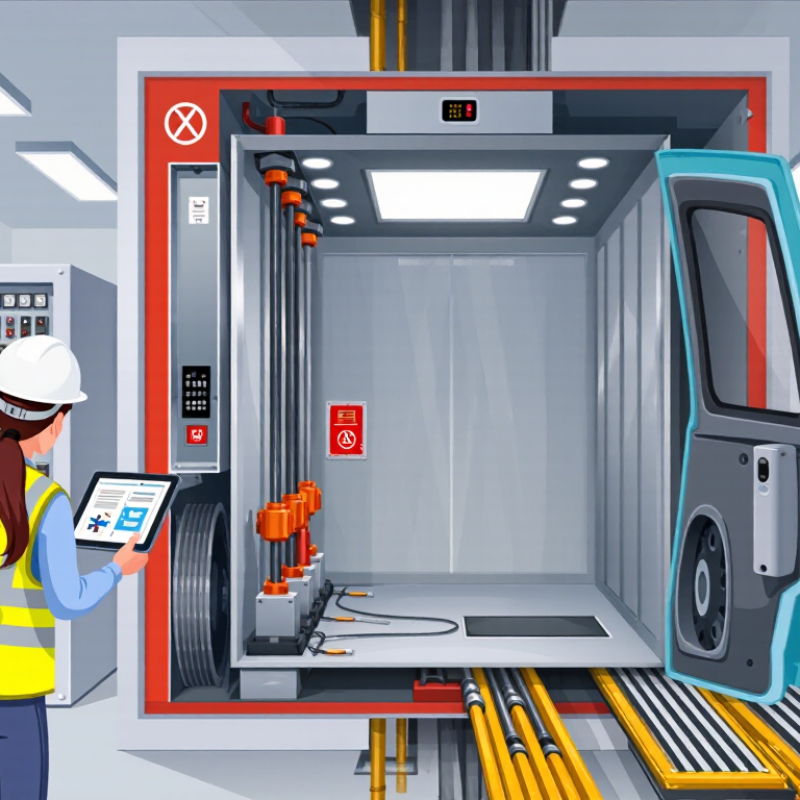
In 2026, elevator requirements depend on where a building is located, its use, and when the elevator was installed or altered. In the United States, check whether the local authority has adopted ASME A17.1/CSA B44 for design, installation, and maintenance. Existing units may also be subject to ASME A17.3, while inspection practices can draw on ASME A17.2. The adopted edition and local amendments matter; the newest published edition may not be the one enforced. Details matter.
Tips: Ask the local building department which code edition applies. Have a qualified elevator professional review the permit records, inspection reports, and equipment changes. Keep records.
Accessibility rules may apply as well. In the United States, requirements can include the ADA Standards and locally adopted building codes; other countries follow their own frameworks, such as relevant EN 81 standards in Europe. Confirm requirements with the authority having jurisdiction rather than relying on a generic checklist. A service-room label or an old inspection certificate can help identify equipment, but neither proves full compliance. I would not assume two similar-looking elevators share the same obligations. A replacement controller, door operator, or other modernization may trigger additional review, depending on local rules. Check how the applicable standards address that specific work.
To assess elevator safety in 2026, review the records against the code adopted in your jurisdiction. Start with approved drawings, equipment specifications, load calculations, and any design revisions. Compare them with the installed system: a changed door operator or controller can make the as-built details matter. Check that inspection and commissioning records identify test dates, results, deficiencies, and sign-offs. Look closely at door protection, emergency communication, leveling, and rated-load tests. Missing signatures are not proof of failure, but they are a reason to ask questions.
Maintenance logs should show dated visits, work performed, replaced parts, callbacks, and unresolved defects. Repeated door faults or leveling complaints deserve attention, even when each repair appears minor. Match the log to the equipment on site; records can be tidy while conditions are not.
The U.S. Bureau of Labor Statistics’ Occupational Outlook Handbook projects 6% employment growth for elevator and escalator installers and repairers from 2023 to 2033. That workforce trend makes clear documentation and qualified review especially relevant.
Keep records accessible, and flag gaps for an independent elevator professional to assess. Paper can look complete. Verify it in the machine room, at the landing doors, and during observed operation.
A reliable safety review starts at the landing doors. Check that door edges respond to light contact, interlocks hold securely, and doors do not drift open while the car is moving. In the machine room, look for oil leaks, unusual heat, loose wiring, and worn brake components. Small clues matter. The Elevator Escalator Safety Foundation’s published industry figures estimate that elevators in the United States carry about 18 billion passenger trips each year. That volume makes consistent checks important, even when a car seems to run normally.
Operational tests should confirm smooth starting and stopping, accurate floor leveling, and clear responses to overload signals. Test emergency alarms and communication devices, then verify that backup procedures work as intended. Qualified elevator personnel should perform code-required tests and document results, including defects, repairs, and retest dates. ASME A17.1/CSA B44 provides the relevant safety-code framework in many jurisdictions, but local requirements can differ. A checklist helps, yet it cannot replace judgment. A quiet ride is not proof of a safe system; intermittent faults can disappear during a brief test. Record what was observed, not only what passed.
A safe elevator in 2026 needs more than a smooth ride. The owner or building manager should compare inspection findings with the safety code adopted by the local authority. Record each deficiency, its location, risk level, and required correction. For example, note a worn door interlock at the third-floor landing, not just “door issue.” A U.S. Consumer Product Safety Commission injury-surveillance estimate put annual emergency-department injuries involving elevators and escalators combined at roughly 17,000. This older estimate is not a measure of code violations, but it underlines why small faults deserve prompt attention.
Correct deficiencies through qualified elevator professionals, then retain repair records, test results, and inspection documents. Ask the inspector or authority having jurisdiction what evidence is required before approval; requirements and adopted code editions vary by location. Do not assume a repair ticket equals acceptance. A tidy file helps, but it cannot prove a device passed its functional test. That distinction is easy to miss.
Tips: Keep a live deficiency log with dates, photos, responsible parties, and closure evidence. Confirm whether a reinspection is required. Before returning equipment to service, obtain the required written approval and keep it with the elevator’s maintenance records.
Elevator safety depends on more than passing an inspection once. Building teams need a steady schedule that follows applicable local requirements and the equipment’s maintenance history. A qualified elevator professional can identify wear, test safety features, and document any conditions needing attention. Small details matter: a door that closes slowly or an unusual vibration may deserve a closer look.
Keep inspection reports, maintenance logs, repair invoices, and test results together in a secure, accessible record system. Note the date, equipment location, technician, work performed, and any follow-up needed. Clear records help staff spot recurring issues, such as the same door fault appearing several times. They also make it easier to answer questions during an audit or building handover.
Follow up promptly when an inspection identifies a defect, and record how and when it was addressed. Do not treat a completed repair as proof that the underlying issue cannot return. Review open items regularly, and confirm that required checks have not slipped between contractors or staff changes. Records can be incomplete, especially after a busy period; that is a useful warning, not a reason to guess. Verify missing details with the responsible professional, then update the file.
Review approved drawings, equipment specifications, load calculations, and design revisions. Compare them with the installed system.
They should list test dates, results, deficiencies, and sign-offs. Check door protection, emergency communication, leveling, and rated-load tests.
No. They are a reason to ask questions and seek qualified review.
Look for dated visits, work performed, replaced parts, callbacks, and unresolved defects. Repeated door or leveling faults deserve attention.
Match the documents to the equipment on site. Observe operation and check the machine room and landing doors. Paper can mislead.
Record its location, risk level, and required correction. “Worn door interlock at the third-floor landing” is clearer than “door issue.”
Use qualified elevator professionals. Keep repair records, test results, and inspection documents.
Not necessarily. Ask the local authority or inspector what evidence and reinspection are required. A tidy file is not proof of a passed test.
Obtain any required written approval and keep it with the maintenance records. Confirm each deficiency has closure evidence. Some details are easy to miss.
Ensuring elevators meet safety standards in 2026 starts with identifying the codes and requirements that apply to the building, elevator type, and local jurisdiction. What safety standards must elevators comply with? The answer can vary by location and equipment, so owners and project teams should confirm current requirements with the relevant authorities and qualified professionals. They should also review design, installation, and maintenance records to verify that work was completed, documented, and checked as required.
A thorough inspection should cover key safety components and test elevator operation under appropriate conditions. Any deficiencies should be documented, corrected by qualified personnel, and followed by required inspections or approvals before the elevator returns to service. Compliance is an ongoing responsibility: schedule inspections, keep maintenance and test records organized, and address issues promptly. Consistent oversight helps demonstrate that the elevator remains safe and reliable over time.

Ascom Elevator