How to Extend Elevator Lifespan for Better Performance?

Time:2026-05-07 Author:Aria
0%

Elevators play a critical role in modern buildings, ensuring smooth and efficient transportation. However, their performance can deteriorate over time if not properly maintained. Regular maintenance is essential. It can significantly extend the life of an elevator and improve its reliability. This article explores "how to maintain elevators for longer service life".

Using expert insights, we discuss practical tips for optimal care. Routine checks and servicing prevent costly repairs. Simple practices, like keeping the elevator clean, can have a big impact. Neglecting these aspects often leads to unexpected breakdowns and user discomfort.

Elevator systems can be complex, needing skilled technicians for thorough inspections. Regular maintenance schedules are crucial for identifying issues before they escalate, ensuring safety. Understanding "how to maintain elevators for longer service life" requires awareness of common wear and tear factors. By investing time and resources into their upkeep, building managers can enhance efficiency and reliability for years to come.
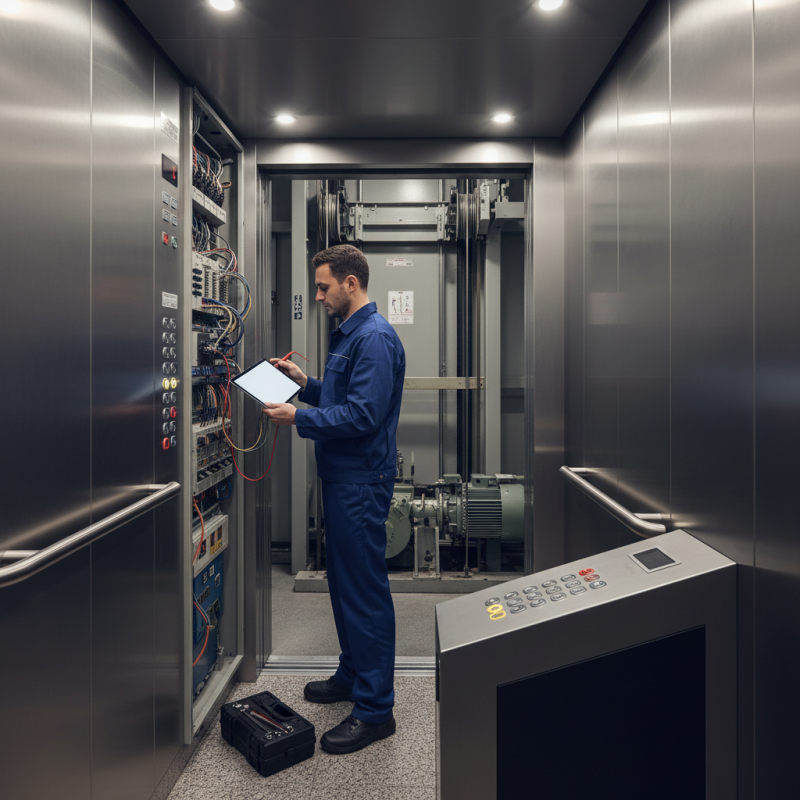
How to Extend Elevator Lifespan for Better Performance?

Understanding Elevator Components and Their Roles in Lifespan

Elevators are vital for vertical transportation in buildings. Understanding their components is key to extending their lifespan. Key components include the motor, pulley system, and control panel. According to a report by the National Elevator Industry, maintaining these parts can enhance performance. Regular checks can prevent unexpected breakdowns, which often cost more than routine maintenance.

The motor is the heart of the elevator. It enables smooth operation and efficiency. A well-maintained motor can save up to 30% on energy costs. The pulley system, though often overlooked, plays a crucial role in safety. Worn cables can lead to significant hazards. Inspecting cables regularly helps mitigate risks.

Finally, the control panel is the brain of the elevator. Faulty controls can disrupt service and frustrate users. Data from industry studies show that over 25% of elevator failures stem from control panel issues. By monitoring these components, building managers can ensure safety and reliability. Regular maintenance is not just a good practice; it’s essential for optimal performance and longevity.

How to Extend Elevator Lifespan for Better Performance?

This bar chart illustrates the various factors affecting the lifespan of elevators, indicating how much each element can potentially extend the lifespan in years. Regular maintenance and using quality components show the most significant impact, highlighting their importance in ensuring optimal performance over time.

Regular Maintenance Practices to Enhance Elevator Performance

Regular maintenance is essential for enhancing elevator performance and extending its lifespan. According to a report by the National Elevator Industry, regular inspections can increase elevator safety and reliability by over 30%. By scheduling maintenance every 1 to 3 months, operators can identify wear and tear early. This proactive approach prevents unexpected breakdowns and costly repairs.

Lubricating moving parts plays a crucial role in reliable operation. Regular checks on pulleys, cables, and doors reduce friction and minimize energy consumption. Research indicates that well-lubricated systems can operate up to 15% more efficiently. Neglecting this aspect can result in increased energy usage and higher operational costs.

In addition to mechanical upkeep, a clean environment is vital. Dust and debris can hinder door sensors and lead to performance issues. Reports suggest that up to 20% of elevator faults are linked to environmental factors. Building managers should conduct regular cleanings around elevators and ensure that ventilation systems are functioning well. A flawed approach to cleanliness can lead to serious safety risks.

Monitoring Usage Patterns to Optimize Elevator Lifespan

Monitoring usage patterns is crucial for extending the lifespan of elevators. By observing daily traffic, building managers can identify peak hours and adjust maintenance schedules accordingly. Regular checks during heavy usage times can prevent wear and tear. A data-driven approach allows for targeted interventions.

Recording elevator usage data offers insights into performance. Analyzing patterns can highlight when an elevator is overused or underused. This information aids in improving efficiency and reducing unnecessary strain. A simple log can reveal trends in usage, helping to plan maintenance when the elevator is least active.

During busy periods, elevators can experience significant strain. Ignoring these patterns might lead to premature failures and costly repairs. Establishing a tracking system is essential. A proactive stance on monitoring can prevent unexpected breakdowns. Thoughtful analysis today saves money tomorrow.

Upgrading Technology for Improved Efficiency and Durability

Upgrading technology can significantly enhance elevator efficiency and durability. Recent studies indicate that elevators account for about 3% of a building’s total energy consumption. By integrating energy-efficient technologies, owners can reduce operational costs. For instance, regenerative drives can capture and reuse energy generated during normal operations. This innovation can cut energy use by up to 35%, leading to both financial savings and environmental benefits.

Regular maintenance, coupled with the latest smart technology, boosts performance. IoT-enabled sensors can monitor critical components. They can detect wear and tear before it leads to failure. According to a report from the International Association of Elevator Engineers, predictive maintenance can improve system reliability by 20%. This proactive approach minimizes downtime and enhances user satisfaction.

However, implementing these upgrades isn't always straightforward. Many older buildings may need retrofitting to accommodate new technology. This process can be costly and time-consuming. Sometimes, outdated systems resist modernization efforts. Building managers must weigh the potential benefits against challenges, finding the right balance for longevity.

Training Personnel for Effective Operation and Maintenance Procedures

Training personnel for effective operation and maintenance procedures is crucial for extending elevator lifespan. Well-trained operators can identify issues early, reducing downtime. According to a study from the National Elevator Industry, 70% of elevator malfunctions are due to operator error. This statistic highlights the need for proper training.

Effective training programs should include hands-on practice and safety protocols. Operators must understand all control mechanisms. Regular training sessions can also reinforce proper techniques. These sessions can cover topics like emergency procedures and routine inspections. A report by Elevator World suggests that continuous education helps lower maintenance costs by 15%.

Furthermore, skilled maintenance personnel can perform preventive maintenance effectively. According to the International Union of Elevator Constructors, elevators with regular maintenance last 30% longer than those without. Yet, many technicians lack sufficient training. This gap leads to overlooked issues and costly repairs later. Investing in employee education creates a more reliable and efficient elevator system.

FAQS

: Why is regular maintenance important for elevators?

: Regular maintenance enhances elevator performance and extends its lifespan. It increases safety and reliability by over 30%.

How often should elevator maintenance be scheduled?

Maintenance should be scheduled every 1 to 3 months. This timing helps identify wear and tear early.

What role does lubrication play in elevator operation?

Lubricating moving parts reduces friction and minimizes energy consumption. Well-lubricated systems can operate 15% more efficiently.

What environmental factors can affect elevator performance?

Dust and debris can hinder door sensors. Up to 20% of elevator faults are linked to these issues.

How can technology upgrades improve elevator efficiency?

Upgrading to energy-efficient technologies reduces operational costs. Regenerative drives can cut energy use by up to 35%.

What are IoT-enabled sensors used for in elevators?

These sensors monitor critical components. They detect wear before it leads to failure, improving reliability.

What challenges arise when upgrading elevators in older buildings?

Retrofitting older buildings for new technology can be costly and time-consuming. Outdated systems may resist modernization efforts.

How can cleanliness around elevators impact performance?

A clean environment is vital for performance. Neglecting cleanliness can lead to serious safety risks and faults.

What is predictive maintenance, and why is it beneficial?

Predictive maintenance uses technology to monitor wear. It can improve reliability by 20%, minimizing downtime and enhancing satisfaction.

Conclusion

When considering "How to maintain elevators for longer service life," it's essential to understand the various components that contribute to an elevator's longevity. Each part, from the motor to the cables, plays a crucial role in its overall performance. Regular maintenance practices, such as inspections and prompt repairs, can significantly enhance the elevator's efficiency and lifespan. Additionally, monitoring usage patterns helps in identifying peak periods and stress factors, allowing for better management and optimization of operation.

Upgrading technology can also lead to improved efficiency and durability, ensuring that elevators adapt to modern standards. Furthermore, providing adequate training for personnel on effective operation and maintenance procedures is vital. This holistic approach not only extends the elevator's service life but also ensures safer and smoother operation for all users.

Aria

Aria

Aria is a dedicated marketing professional with a deep passion for innovative strategies and a keen understanding of our company's product offerings. With a wealth of experience in the industry, Aria excels at crafting engaging content that highlights the unique features and benefits of our......