How to Cut Elevator Energy Use for Maximum Efficiency?

Time:2026-05-09 Author:Liam
0%

In today's urban landscape, elevators play a crucial role in building accessibility. However, they also account for significant energy consumption. According to a report from the International Energy Agency (IEA), elevators account for approximately 5-10% of a building’s total energy use. With rising energy costs and increasing environmental concerns, understanding "how to reduce elevator energy consumption" is vital.

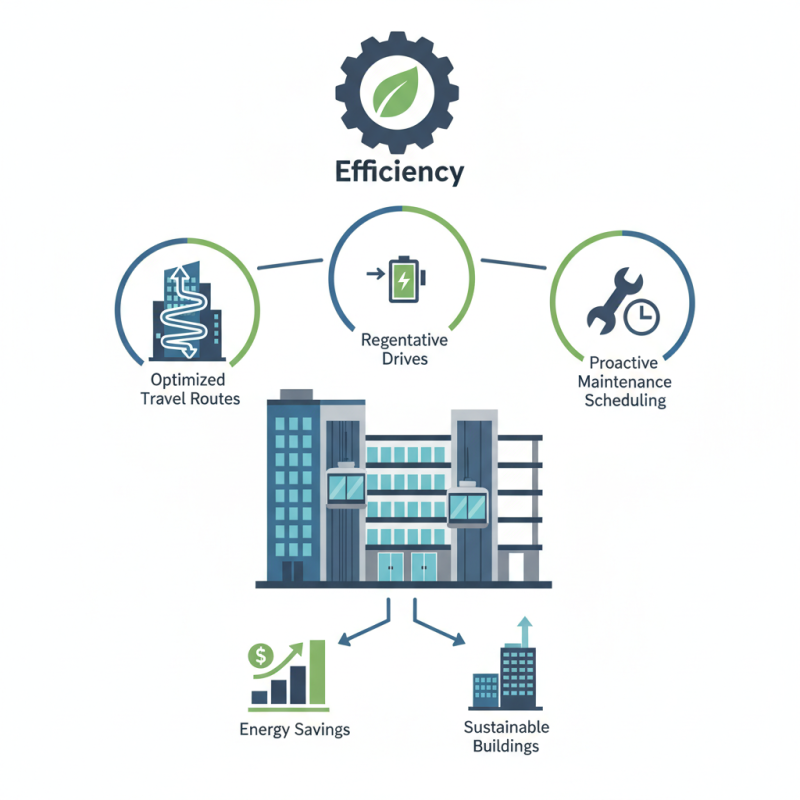
Experts like Dr. Emily Thompson emphasize the importance of efficiency in elevator systems. She states, “Reducing elevator energy consumption is not just an option; it’s a necessity for sustainable building practices.” Effective strategies include optimizing travel routes, utilizing regenerative drives, and scheduling maintenance proactively.

Even small changes can lead to substantial savings in energy. However, many buildings still overlook these solutions. The challenge remains to balance efficiency and functionality, raising questions about existing practices. Inefficiencies linger in designs and operational strategies, highlighting the need for continual evaluation and improvement. As we pursue maximum efficiency, adopting informed practices is essential.
How to Cut Elevator Energy Use for Maximum Efficiency?

Assessing Current Elevator Energy Consumption Patterns

Elevators are significant energy consumers in buildings, often accounting for 2-5% of total energy use. According to a report by the U.S. Department of Energy, elevators alone can consume around 10 billion kilowatt-hours annually in the U.S. This figure underscores the urgency of assessing current elevator energy consumption patterns. A thorough analysis can reveal inefficiencies and provide opportunities for modernization.


Numerous factors impact elevator energy use. For example, the age of the equipment plays a crucial role. Older models often lack energy-efficient technologies, resulting in higher operational costs. According to the National Elevator Industry, newer systems can reduce energy consumption by up to 50%. However, retrofitting older elevators may not always be feasible or cost-effective. Understanding the building's traffic patterns and peak usage times is vital to optimizing performance and energy efficiency.


Regular monitoring and data collection can uncover hidden inefficiencies. An example lies in idle energy consumption, which usually spikes during off-peak hours. Implementing smart control systems can help minimize energy use when demand is low. To maximize efficiency, building owners must be willing to invest in innovative technologies and rethink their current elevator systems. Balancing initial costs with long-term benefits is essential for a sustainable approach to elevator energy management.

Implementing Smart Controls and Monitoring Systems

Implementing smart controls and monitoring systems can significantly cut elevator energy use. These technologies can optimize efficiency by managing power consumption based on actual demand. Smart systems can adjust lighting and ventilation based on occupancy, further reducing energy waste.

Tips for effective implementation:
- Regularly update your monitoring software. Outdated systems may overlook energy-saving opportunities.
- Use occupancy sensors. They can detect when an elevator is not in use, putting it into a low-power mode automatically.
- Train staff on the new system. They should understand how to use it effectively to maximize energy efficiency.

Data analytics plays a key role. Monitoring systems can track usage patterns, identifying peak times and less busy hours. This information allows for better scheduling. It’s crucial to review these data regularly. Poor management may lead to missed opportunities for savings.

Constantly assessing these systems is vital. Even smart technology requires human oversight. Small errors or misunderstandings can lead to inefficiencies. Analyzing energy usage trends can reveal areas for improvement. Emphasis on continuous learning and adaptation will ensure maximum efficiency in elevator energy use.

How to Cut Elevator Energy Use for Maximum Efficiency? - Implementing Smart Controls and Monitoring Systems

Measure Description Impact on Energy Use (%) Implementation Cost ($)
Smart Controls Automated systems to control elevator operation based on demand. 20-30% 5,000
Energy Monitoring Systems Real-time monitoring of energy consumption for elevators. 10-15% 3,000
Regenerative Drives Technology that recovers energy during descent. 30-50% 15,000
LED Lighting Energy-efficient lighting systems installed in elevators. 5-7% 1,500
Scheduled Maintenance Regular upkeep ensures efficient operation. 5-10% 2,000

Utilizing Energy-Efficient Gearless Elevator Systems

When it comes to reducing energy consumption in elevators, gearless systems play a key role. These systems eliminate the need for complex gear trains, making them more efficient. Gearless elevators provide direct drive with minimal energy loss. They use less electricity while offering smooth and quiet rides. This innovation can dramatically cut energy use in buildings.

Energy-efficient elevators also require less maintenance. With fewer moving parts, there's less wear and tear. Regular checks still matter. Keeping an eye on performance ensures optimal efficiency. Small issues can lead to larger problems if neglected.

Tips: Consider installing motion sensors. They help predict elevator use. This can reduce idle time and save energy. Another great idea is to use regenerative drives. They capture energy while the elevator descends, sending it back into the building's power system. Reducing energy consumption in elevators is certainly more achievable with thoughtful upgrades and technologies.

Regular Maintenance and Upgrades to Improve Efficiency

Elevators are essential in modern buildings. However, they consume a significant amount of energy. Regular maintenance can help minimize energy use. Not all buildings prioritize this aspect.

Routine inspections help identify inefficiencies. For instance, worn-out components can lead to excessive energy consumption. Replacing outdated machinery can provide immediate improvements. Simple checks, like door sensors and lubrication, can enhance performance, too.

Upgrading to energy-efficient systems is also vital. New technologies can reduce energy waste dramatically. Investing in these upgrades may seem costly initially. However, the long-term savings can be substantial. Buildings must evaluate their elevator systems regularly. Over time, this leads to better energy management and lower operational costs.

Promoting User Awareness and Sustainable Practices in Elevators

Elevators play a crucial role in our daily lives, yet many users remain unaware of their energy consumption. Raising awareness is essential for promoting sustainable practices. Simple actions can make a significant difference. Users can start by using stairs for short distances, which not only conserves energy but also enhances personal fitness. Each time we take the stairs, we reduce the elevator's load and its energy intake.

Educating users about optimal elevator usage is vital. For instance, waiting for an elevator that is not on your floor can waste energy. Users should consider traveling in groups, minimizing trips. This notion can be supported by information campaigns or signage near elevators, reminding users of their impact. The challenge lies in instilling these habits in our daily routines.

Additionally, encouraging a culture of sustainability can yield impressive results. Building managers can lead by example, organizing events that highlight the benefits of energy conservation. Engaging the community fosters a sense of responsibility. However, changing behavior requires patience and consistent effort. While many are willing, it often takes time to shift established habits.

Energy Consumption in Elevators (kWh/month)

This bar chart illustrates the monthly energy consumption of different types of elevators, highlighting the importance of energy-efficient practices and user awareness in reducing overall energy use.

FAQS

: What are gearless elevator systems?

: Gearless elevator systems eliminate complex gear trains, making them more efficient and energy-saving.

How do gearless elevators save energy?

They provide direct drive with minimal energy loss, resulting in less electricity consumption.

Are energy-efficient elevators low maintenance?

Yes, they have fewer moving parts, which reduces wear and tear. Regular checks are still essential.

What is the benefit of motion sensors in elevators?

Motion sensors predict elevator use, reducing idle time and saving energy.

How do regenerative drives work?

Regenerative drives capture energy during descent and send it back into the building's power system.

Why is user awareness important for elevator energy consumption?

Users can make conscious choices, like taking stairs, which reduces energy load on elevators.

What can building managers do to promote energy conservation?

They can organize events and provide information campaigns to foster a culture of sustainability.

How can users minimize elevator trips?

Users should travel in groups, which can significantly reduce the number of trips taken.

What challenges exist in changing user behavior?

Instilling sustainable habits takes time and consistent effort; many users may resist change.

How can signage help elevator users?

Signage near elevators can remind users of their impact and promote energy-saving practices.

Conclusion

In the pursuit of reducing energy usage in elevators, it's essential to first assess current consumption patterns to identify areas for improvement. Implementing smart controls and monitoring systems can facilitate the real-time tracking of energy efficiency, making it easier to pinpoint inefficiencies. Additionally, utilizing energy-efficient gearless elevator systems significantly decreases power consumption, while regular maintenance and upgrades ensure that existing systems operate at their optimal potential.

Furthermore, promoting user awareness and encouraging sustainable practices can also play a vital role in how to reduce elevator energy consumption. By educating users on energy-efficient practices and the importance of maintaining elevators, building operators can foster a culture of sustainability that extends the lifespan of the equipment and reduces overall energy costs.

Liam

Liam

Liam is a dedicated marketing professional with a profound expertise in the industry, where he excels at highlighting the unique advantages of our core products. With a keen understanding of market trends and consumer needs, Liam frequently updates our company’s professional blog, providing......